SEGGAE
A fusion of séga, the traditional music of the Mascarene Islands, and reggae. Created in the mid-1980s by KAYA — Joseph Réginald Topize — in Mauritius. Officially recognised by the Mauritius government.
Not a
sub-genre.
A language.
Pas un
sous-genre.
Un langage.
Seggae is one of Mauritius' most beloved musics. It gave voice to silences, strength to the invisible, and a collective conscience to an entire people.
1980s
Années 1980
Created in the mid-1980s by KAYA in Mauritius
Mascarenes
Popular across the Indian Ocean islands
6/8 · 138–140
Séga tempo with the soul of reggae
Resistance
Résistance
Voice of struggle and Creole dignity
KAYA
1985
Seggae was invented in the mid-1980s by Mauritian Rastafari singer Joseph Réginald Topize, known as KAYA — a name taken from a Bob Marley song. He advocated for the rights of the Mauritian Creole people and became the defining voice of a generation.
KAYA was the most important and celebrated artist of the genre, often called the "Bob Marley of Seggae." He fused the rhythms of his island with the resistance of reggae into something entirely new — giving voice to silence, strength to the invisible, conscience to a whole people.
KAYA died in prison on 21 February 1999. His death sparked civil unrest across Mauritius. His legacy lives on through generations of seggae artists — resonating far beyond the borders of Mauritius.
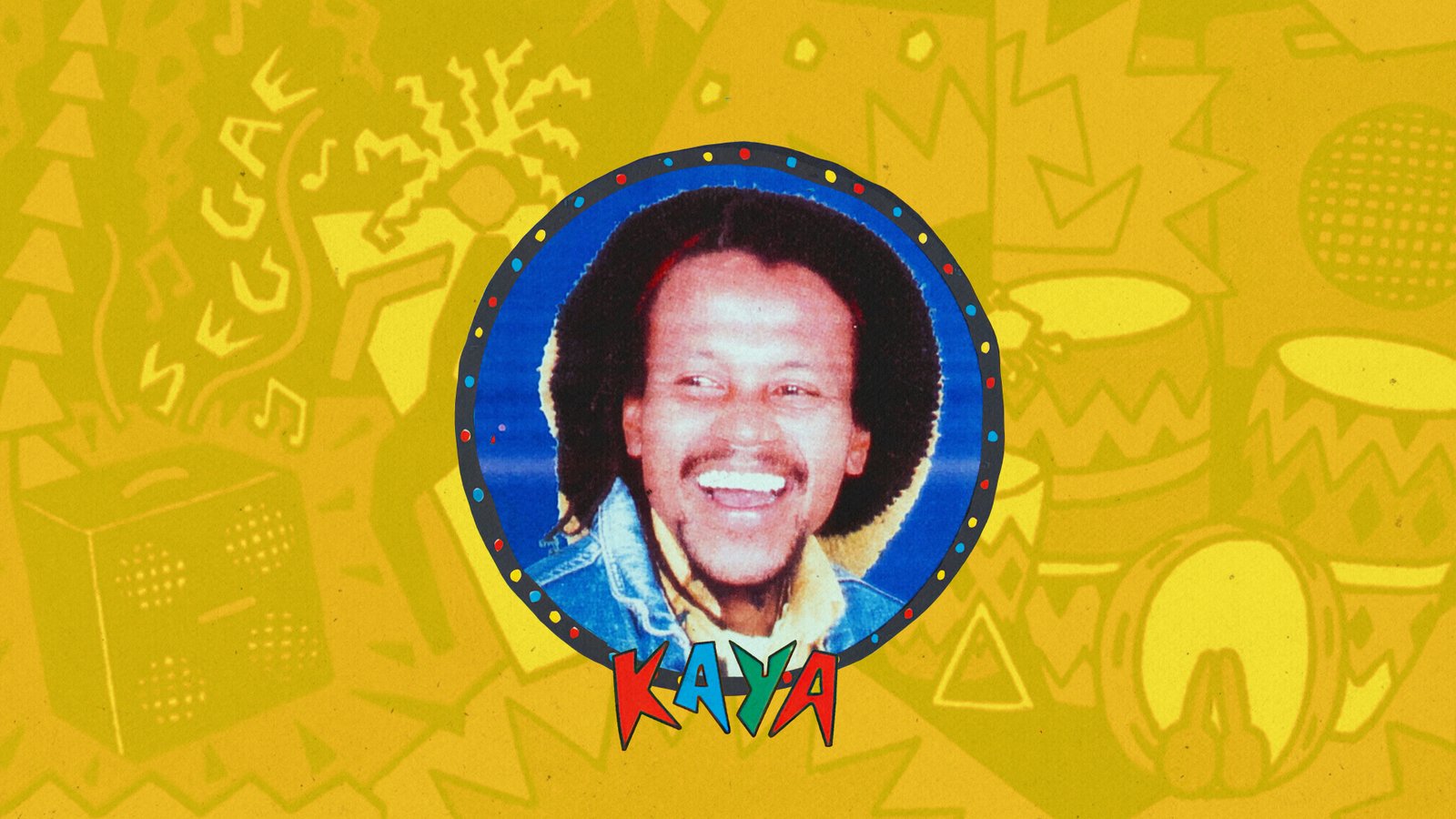 photography © Henry Koombes
KAYA DAY
Mauritius
KAYA DAY
Maurice
Seggae is officially recognised in Mauritius. The government has designated an official Seggae Day — acknowledging the genre's place in the island's cultural heritage. KAYA DAY, observed on 10 August — KAYA's birthday — is the estate and family's initiative: a day to celebrate his life, music and lasting impact.
KAYA's contribution to Mauritian culture is recognised as part of the island's intangible cultural heritage. Seggae is taught, performed and transmitted across generations — from Mauritius to Réunion to the wider Indian Ocean world.
SÉGA + REGGAE
Séga
Traditional music and dance of Mauritius and the Mascarene Islands. 6/8 time, 138–140 BPM. Linked to the African and Malagasy memory of the Creole people. The ravane, tambour and maravanne are its key instruments.
Reggae
Rastafari conscience, social resistance, spiritual strength. Offbeat guitar, deep bass, one drop. Born in Jamaica, carried by Bob Marley to the Indian Ocean. The militant soul the séga was missing.
A genre. A language. An island.
SOUND
& RHYTHM
SON
& RYTHME
Seggae, like reggae, can be played solo or by a full band. Instrumentation includes: drums, rhythm guitar, lead guitar, keyboard, bass, percussion and vocals.
Unlike reggae, seggae is played in 6/8 time at 138–140 BPM — like séga. Unlike séga, the rhythm guitar plays an offbeat pattern and the drum one-drop is faster. Many artists today slow the BPM for a heavier, more soulful character.
Direct inheritance from traditional Mascarene séga
Can be slowed for a heavier, more soulful sound
Rhythm guitar offbeat pattern — direct reggae influence
THE FOUNDING
ALBUMS
LES ALBUMS
FONDATEURS
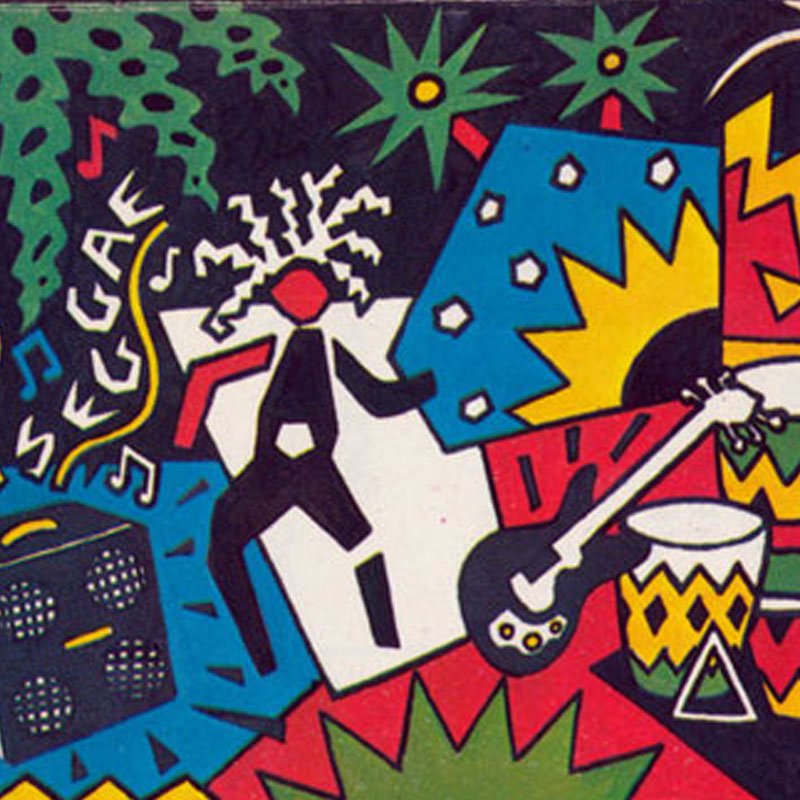
SEGGAE
NOU LAMIZIK
RACINETATANE / KAYA ek RACINETATANE — the first documented seggae recordings. The original cassette that captures the very beginning of the genre.
Produced by Percy Yip Tong at Cyper Produktion.
View in catalog →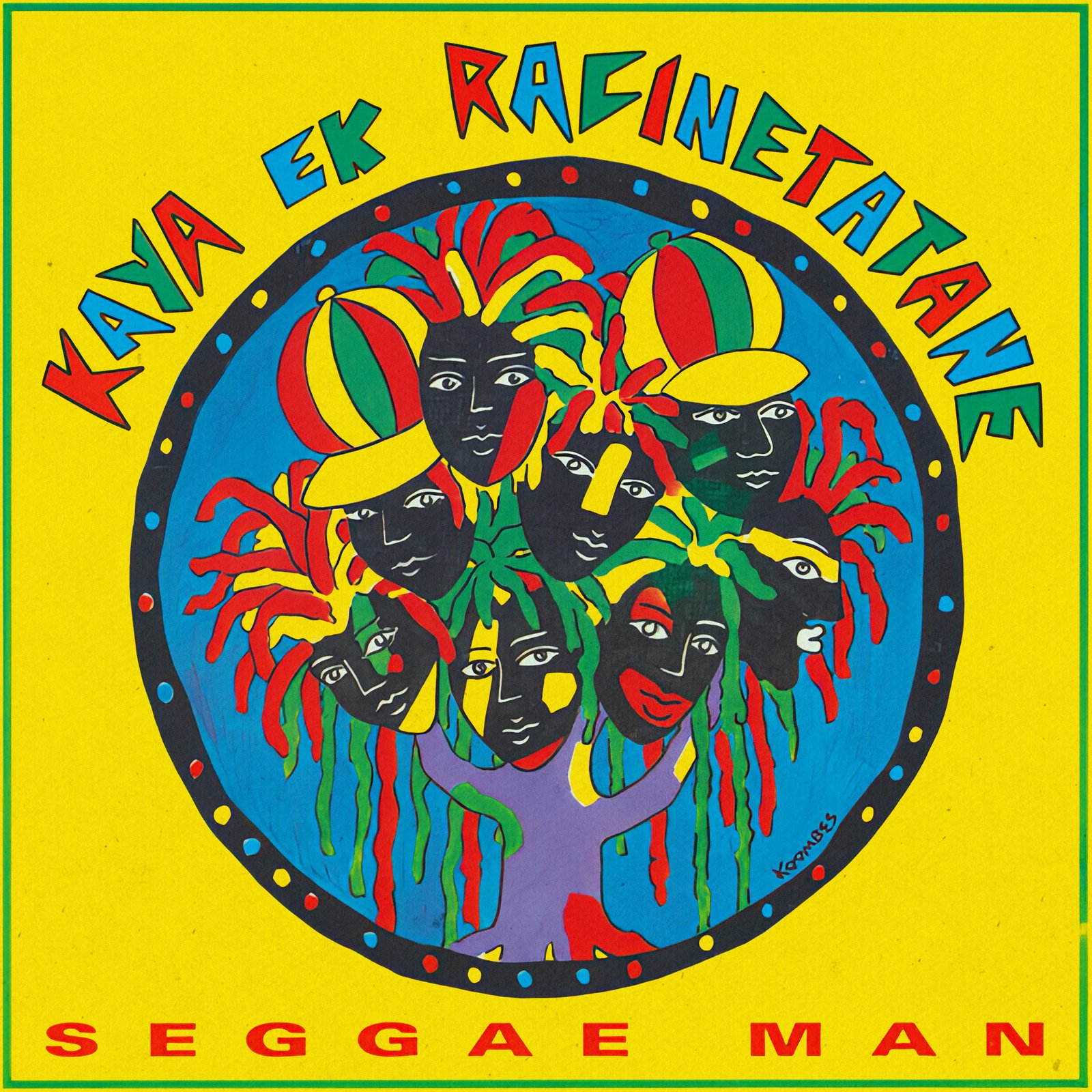
SEGGAE
MAN
The founding document of the genre — the organic fusion of séga and reggae, sung in Mauritian Creole. An album that changed the music of the Mascarene Islands forever.
Produced by Gaëtan Valentin, recorded in part in Réunion.
Listen to SEGGAE MAN →VOICES OF
SEGGAE
VOIX DU
SEGGAE
KAYA
Joseph Réginald Topize — creator of seggae. Called the "Bob Marley of Seggae." The defining artist of the genre. Died 1999, his legacy lives on across generations.
SEGGAE MAN →Baster
Popular Réunionnaise seggae musician. Carries the spirit of seggae from Réunion, rooting the genre across the Mascarene Islands and the Indian Ocean.
Ras Natty Baby
Emblematic Mauritian seggae artist. Committed voice, carrier of the genre's heritage with conscience and depth. Tied to the living history of the movement.
Artist page →Percy Yip Tong
Producer of Seggae Nou Lamizik (1989–1990) — the first documented seggae cassette, recorded with KAYA at Cyper Produktion. Pioneer of the genre's production.
Seggae Nou Lamizik →
BABANI
BABANI is the Indian Ocean label and cultural project founded by AVNEESH, dedicated to preserving, reissuing and transmitting the music and visual heritage of the Mascarene Islands — including the legacy of KAYA and the seggae movement.
BABANI manages the official reissue of KAYA's catalogue, the KAYA DAY cultural initiative, and archives of Indian Ocean musical culture. Rooted in Mauritius, connected to the world.